
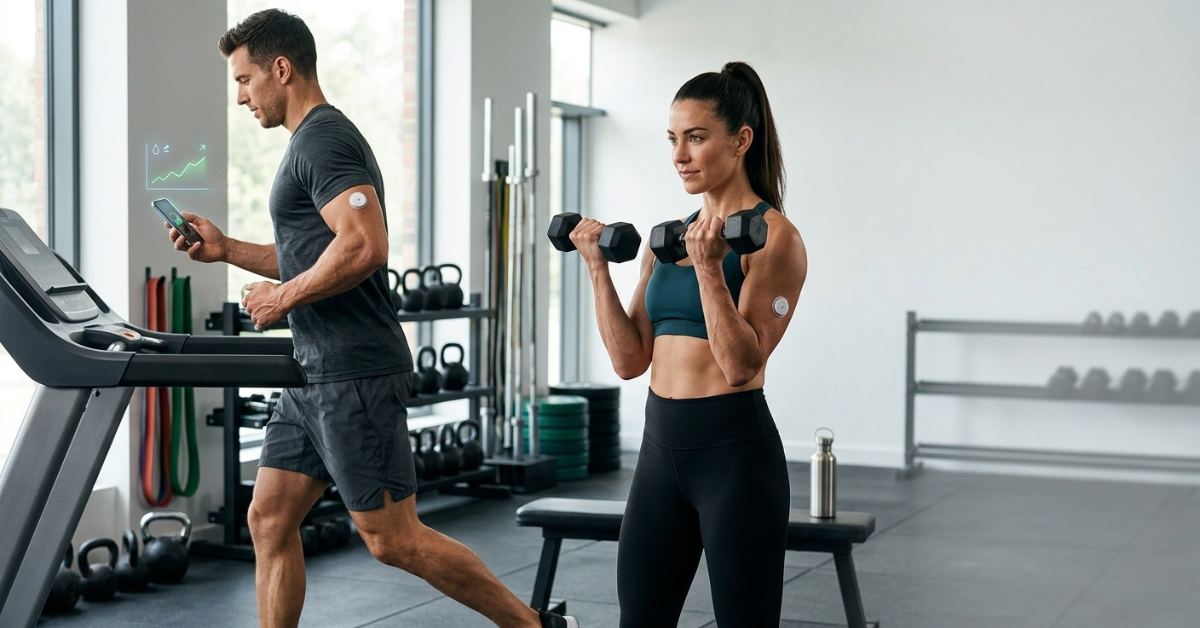
Every serious athlete tracks something. Heart rate, VO2 max, sleep score, hydration. Yet the one number that decides whether you bonk at mile 18 or finish strong often goes unmeasured: blood glucose. That gap is exactly why FreeStyle Libre for athletes and fitness has become one of the fastest growing conversations in performance training circles this year, and it has nothing to do with a diabetes diagnosis. Athletes without diabetes are now wearing continuous glucose monitors to understand how their bodies actually use fuel under stress, and the data is changing how they eat, train, and race.
This article breaks down what the device is, how it works for active bodies, what it costs, and how to get one without the usual runaround.
Why Endurance Athletes Are Ditching Fingersticks
Fingerstick testing gives you one number at one moment. It cannot tell you what happened to your glucose during a threshold run, a two hour trail session, or an overnight carb load before a race. That is the core reason FreeStyle Libre for athletes and fitness has taken off among cyclists, triathletes, and strength coaches. A sensor worn on the back of the arm reads interstitial glucose continuously and pushes that data to a phone app in real time, so a coach can see exactly when an athlete's energy availability starts to drop.
Sports scientists have also started publishing on this. Research presented through outlets like the American College of Sports Medicine has looked at glucose variability during endurance exercise, and the pattern is consistent: athletes who fuel reactively, without any glucose feedback, tend to either underfuel late in a session or overshoot with sugar spikes that crash thirty minutes later. Continuous data closes that blind spot.
The Sensor Actually Powering This Shift
So what is FreeStyle Libre 3 Plus, and why is it the version most athletes are choosing over older models? It is Abbott's newest sensor in the Libre 3 family, roughly the size of two stacked pennies, and it sends automatic glucose readings every minute without requiring the wearer to scan anything. Unlike earlier Libre generations that needed a manual scan to pull a reading, the freestyle libre 3 plus sensor streams data continuously to a compatible smartphone or the Libre 3 reader, which matters mid workout when nobody wants to stop and scan an arm.
It is also water resistant enough to survive a shower or a sweaty session, and it is factory calibrated, meaning no fingerstick calibration is needed under normal use.
How Long One Sensor Actually Lasts
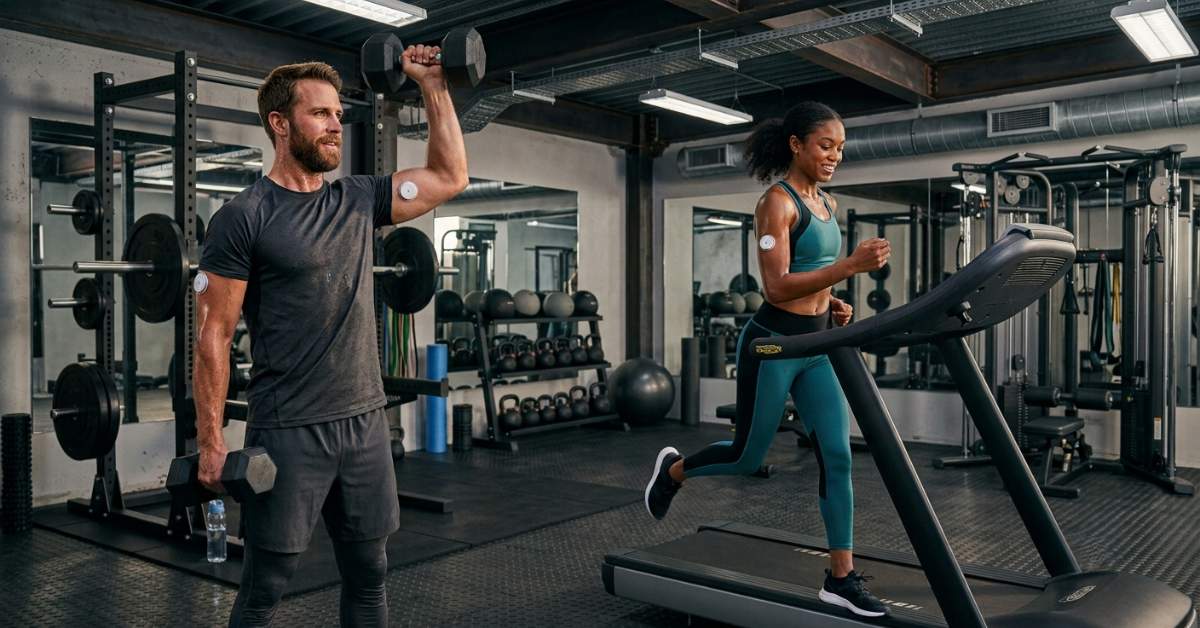
One detail that matters for anyone budgeting supplies is wear time. The freestyle libre 15 day rating means a single sensor lasts up to fifteen days before it needs replacing, the longest of any patch sensor Abbott has released. For an athlete in a heavy training block, that translates to roughly two sensors a month instead of the more frequent swaps older 10 or 14 day sensors required. Fewer changes mean fewer adhesive site irritations too, which matters for anyone training daily in humid or high sweat conditions.
What This Means for Race Day Fueling
Here is the practical shift coaches are reporting. Athletes who monitor glucose trends during training blocks start noticing individual patterns: some drop faster on fasted morning runs, others spike hard after simple carbs before a swim set. Once that pattern is visible, fueling stops being generic advice and becomes personal. A marathoner might learn they need a gel at minute 40 instead of minute 60. A powerlifter might discover pre workout glucose dips are tanking their heavy sets more than fatigue is.
This is also where the device earns its place as arguably the latest blood sugar monitoring device worth paying attention to outside clinical diabetes care, because it turns a medical tool into a performance analytics tool.
Licensed DME supplier. We verify your insurance before your first order and ship fast across all 50 US states.
Comparing Today's Top Options
Not every sensor on the market behaves the same way, and picking blind is a mistake. Below is a comparison built from manufacturer specifications and publicly available product data.
| Device | Wear Time | Real Time Alerts | Scan Required | Best For |
|---|---|---|---|---|
| FreeStyle Libre 3 Plus | Up to 15 days | Yes, automatic | No | Athletes wanting minimal interruption |
| FreeStyle Libre 2 Plus | Up to 15 days | Yes, optional alarms | No | Budget conscious users |
| Dexcom G7 | 10 days | Yes, automatic | No | Users wanting a dedicated receiver option |
| FreeStyle Libre 14 day | 14 days | No, manual scan | Yes | Legacy users not upgrading yet |
Sources for specifications: Abbott FreeStyle Libre 3 official product page
Getting It Covered by Insurance
Cost is usually the first question, and freestyle libre insurance coverage varies depending on why the sensor is being prescribed. For people with a diabetes diagnosis, most major insurance plans and Medicare Part B cover Libre sensors when a doctor documents medical necessity, though copays differ by plan. For athletes without diabetes who want the device purely for performance tracking, coverage is far less consistent since insurers generally require a qualifying diagnosis. In that case, many athletes pay out of pocket or use an FSA or HSA card, since continuous glucose monitors typically qualify as an eligible medical expense.
It is worth a call to your insurance provider before assuming either way, since plan language changes year to year and some employer plans have started adding wellness riders that cover CGMs for non diabetic performance use.
Ordering Yours Without the Hassle
If you already know you want one, how to order Freestyle Libre 3 Plus online is simpler than most people expect. A valid prescription is required in the United States, which a primary care doctor, endocrinologist, or in some states a telehealth provider can issue. Once you have a prescription, you can order directly through Abbott's official store, through a pharmacy that stocks Libre products, or through a licensed durable medical equipment supplier that accepts your insurance.
Most first time buyers start with a freestyle libre 3 plus starter kit, which typically bundles two sensors along with setup instructions and app pairing guidance, giving new users a full month of data before deciding whether to reorder. Always confirm the seller is an authorized Abbott distributor, since counterfeit or gray market sensors have circulated online and can give inaccurate readings.
Continuous glucose data used to belong only to clinical diabetes management. That is changing fast, and FreeStyle Libre for athletes and fitness is leading that shift because it turns invisible metabolic patterns into something a coach can actually train around. Whether you are chasing a marathon PR or just trying to stop mid ride bonking, a fifteen day sensor and an app on your wrist might be the most underused tool in your training kit right now.
This article is for general informational purposes and is not medical advice. Always consult a licensed healthcare provider before starting continuous glucose monitoring, especially if you do not have a diabetes diagnosis.