
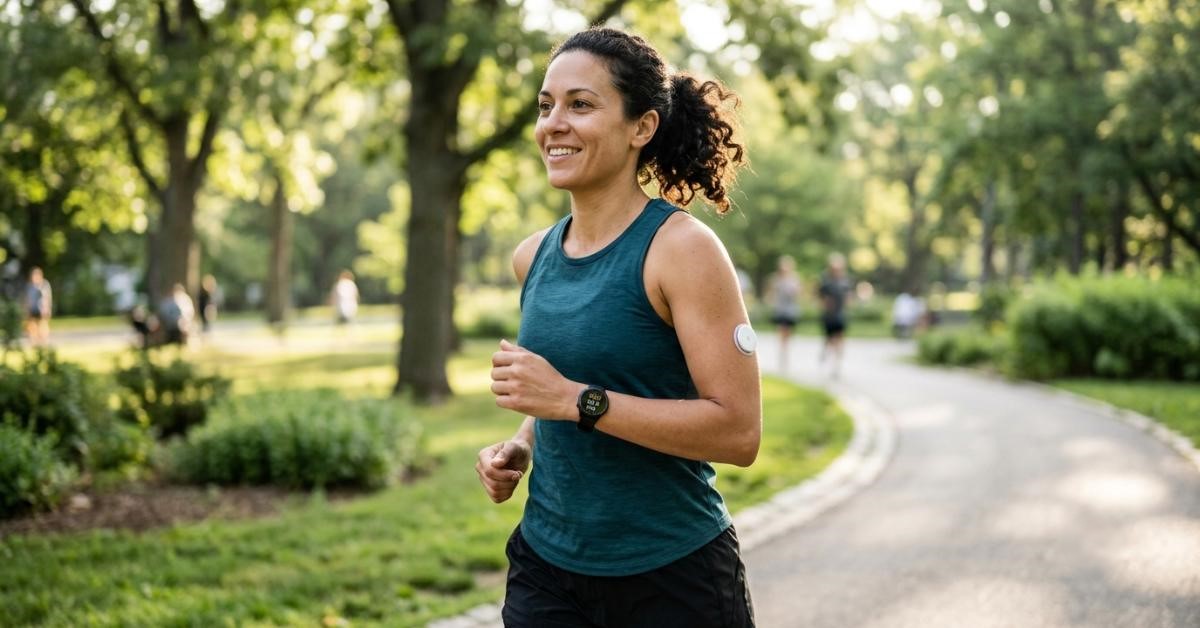
Finding the best glucose monitor for active lifestyle needs is not the same as picking any random device off a pharmacy shelf. If you run, lift, cycle, swim, or simply spend your day on your feet, sweat, motion, and quick blood sugar swings can throw off a monitor that was never built for that kind of pressure. The right device has to survive a workout, stay accurate mid movement, and give you data fast enough to act on before a low or high sneaks up on you.
This guide covers what makes a glucose monitor genuinely fit for an active routine, how the newest sensors compare, what they cost, and how insurance coverage works in 2025, based on manufacturer specs, clinical usability studies, and patterns reported by athletes managing diabetes.
Why Regular Monitors Fall Short During Exercise
A standard fingerstick meter gives you one number at one moment. That is a problem when your glucose can drop 20 to 30 points in fifteen minutes of cardio. This is exactly why continuous glucose monitors, or CGMs, have become the default choice for anyone searching for the best glucose monitor for active lifestyle routines. A CGM tracks glucose every few minutes through a small sensor worn on the skin, so you see the trend, not just the moment.
Sweat resistance, adhesive strength, and sensor placement matter more here than most buying guides admit. A sensor that lifts off during a swim or a heavy sweat session is not just inconvenient, it can mean missing a dangerous low entirely. This is one more reason the search for the best glucose monitor for active lifestyle routines keeps growing among runners, cyclists, and gym goers managing diabetes.
The Latest Blood Sugar Monitoring Device Options Compared
Below is a side by side look at the devices most commonly recommended as the best glucose monitor for active lifestyle needs right now, with sourced links so you can verify specs directly from the manufacturers and FDA listings.
| Device | Wear Time | Water Resistance | Warm Up Time | Best For | Source |
|---|---|---|---|---|---|
| FreeStyle Libre 3 Plus | 15 days | Showering, swimming, exercising | 1 hour | Endurance athletes, all day tracking | Abbott FreeStyle Libre 3 Plus |
| Dexcom G7 | 10 days | Showering, swimming to 8 feet | 30 minutes | Fast alerts during intense training | Dexcom G7 specs |
| Dexcom G6 | 10 days | Showering, swimming to 8 feet | 2 hours | Established reliability, wide insurance support | Dexcom G6 specs |
| Medtronic Guardian 4 | 7 days | Showering, exercise rated | 2 hours | Users on Medtronic insulin pumps | Medtronic Guardian 4 |
Any of these can qualify as a latest blood sugar monitoring device, but the wear time and warm up window matter most if you train daily and cannot afford long sensor gaps.
FreeStyle Libre 3 Plus: The Front Runner for Active Users

The freestyle libre 3 plus has become one of the most searched devices among people looking for the best glucose monitor for active lifestyle demands, and the reason is practical rather than marketing driven. The sensor is roughly the size of two stacked coins, it sits flat against the back of the upper arm, and it sends real time readings to a phone app every minute rather than every five minutes like older models. For someone mid workout, that shorter interval means fewer surprises.
For anyone still comparing options, this track record is a big part of why it keeps ranking as the best glucose monitor for active lifestyle use in independent reviews. The freestyle libre 3 plus sensor also carries a 15 day wear period, which is longer than most competitors, so athletes training multiple times a week are not swapping sensors as often. Abbott rates it for use during showering, swimming, and exercise, and independent reviews from sports medicine clinics have generally confirmed the adhesive holds up well through sweat heavy sessions, though some users with very high sweat output still recommend an additional adhesive patch for security.
Licensed DME supplier. We verify your insurance before your first order and ship fast across all 50 US states.
Freestyle Libre Insurance Coverage: What You Need to Know
freestyle libre insurance coverage varies depending on whether you have Medicare, private insurance, or no coverage at all. Medicare Part B has covered FreeStyle Libre systems for eligible beneficiaries with diabetes since 2017, provided a doctor documents medical necessity, typically for people on insulin therapy or with a history of hypoglycemia. Most major private insurers, including UnitedHealthcare, Cigna, and Aetna, now include FreeStyle Libre 3 Plus on their preferred formularies, though copays differ widely by plan tier.
The most reliable way to confirm your own freestyle libre insurance coverage is to call the number on your insurance card and ask about CGM coverage under the pharmacy benefit, since some plans process it through pharmacy rather than durable medical equipment, and the copay difference between the two paths can be significant.
FreeStyle Libre 3 Plus Cost Without Insurance
If coverage is not available, the freestyle libre 3 plus cost without insurance typically runs between 150 and 175 dollars for a box of two sensors purchased through Abbott's official pharmacy partners, which covers roughly 30 days of wear. Prices can vary by pharmacy and region, so comparing a few sources before buying is worth the extra ten minutes. Abbott also offers a savings card program that can lower out of pocket cost for eligible patients even without insurance, and some telehealth platforms bundle the prescription and sensor cost together at a slightly reduced rate.
How to Order Freestyle Libre 3 Plus Online
Knowing how to order Freestyle Libre 3 Plus online starts with a valid prescription, which most telehealth providers can issue after a short virtual consultation if you do not already have one from your regular doctor. Once you have the prescription, you can order directly through Abbott's official store, through a licensed retail pharmacy website like CVS or Walgreens, or through your insurance provider's mail order pharmacy if that benefit applies to your plan. Always confirm the seller is an authorized Abbott distributor before entering payment details, since counterfeit or improperly stored sensors have shown up on unauthorized third party marketplaces and can give inaccurate readings.
What Actually Makes a Glucose Monitor Fit an Active Lifestyle
When evaluating the best glucose monitor for active lifestyle needs, focus on five practical factors rather than brand reputation alone.
- Accuracy during rapid change matters most, since glucose swings faster during and after exercise than at rest, and a device with a longer lag time can leave you reacting too late.
- Adhesive durability under sweat is the second factor, because a sensor that fails mid session defeats the purpose entirely.
- Alert customization is third, since a good monitor lets you set tighter high and low thresholds during workouts specifically.
- Battery and transmitter life matter for anyone traveling to races or events.
- App compatibility with fitness trackers rounds out the list, since syncing glucose data with heart rate and pace data gives a fuller picture of how your body responds to training.
There is no single universal answer to which device is the best glucose monitor for active lifestyle routines, since the right pick depends on your training frequency, sweat levels, and insurance situation. What matters is choosing a sensor built for movement, confirming your freestyle libre insurance coverage before you buy, and ordering only through verified sources. For most people balancing fitness and diabetes management in 2025, the FreeStyle Libre 3 Plus remains the most consistently recommended option, backed by both clinical data and real world athlete feedback.
This article is for general educational purposes and does not replace medical advice. Consult your healthcare provider before starting or changing any glucose monitoring device.